The Glory of the Garden
In the project, the constant call for institutional changes in the art world is brought together with the changes in cultural policy and financing in the UK since the 1980s. The Arnolfini in Bristol and the exhibition Lapdogs of the Bourgeoisie, provide the framework for this project.
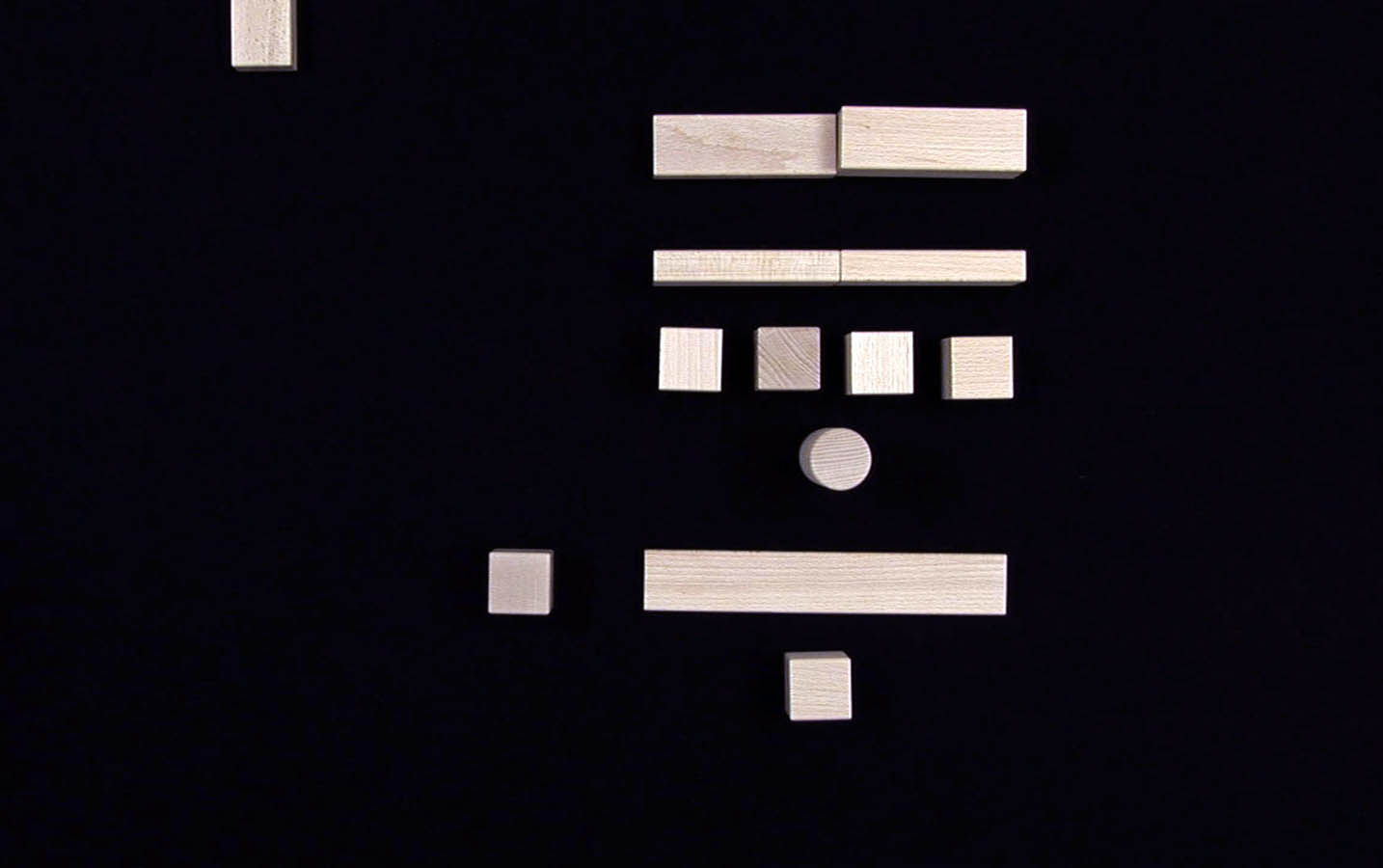
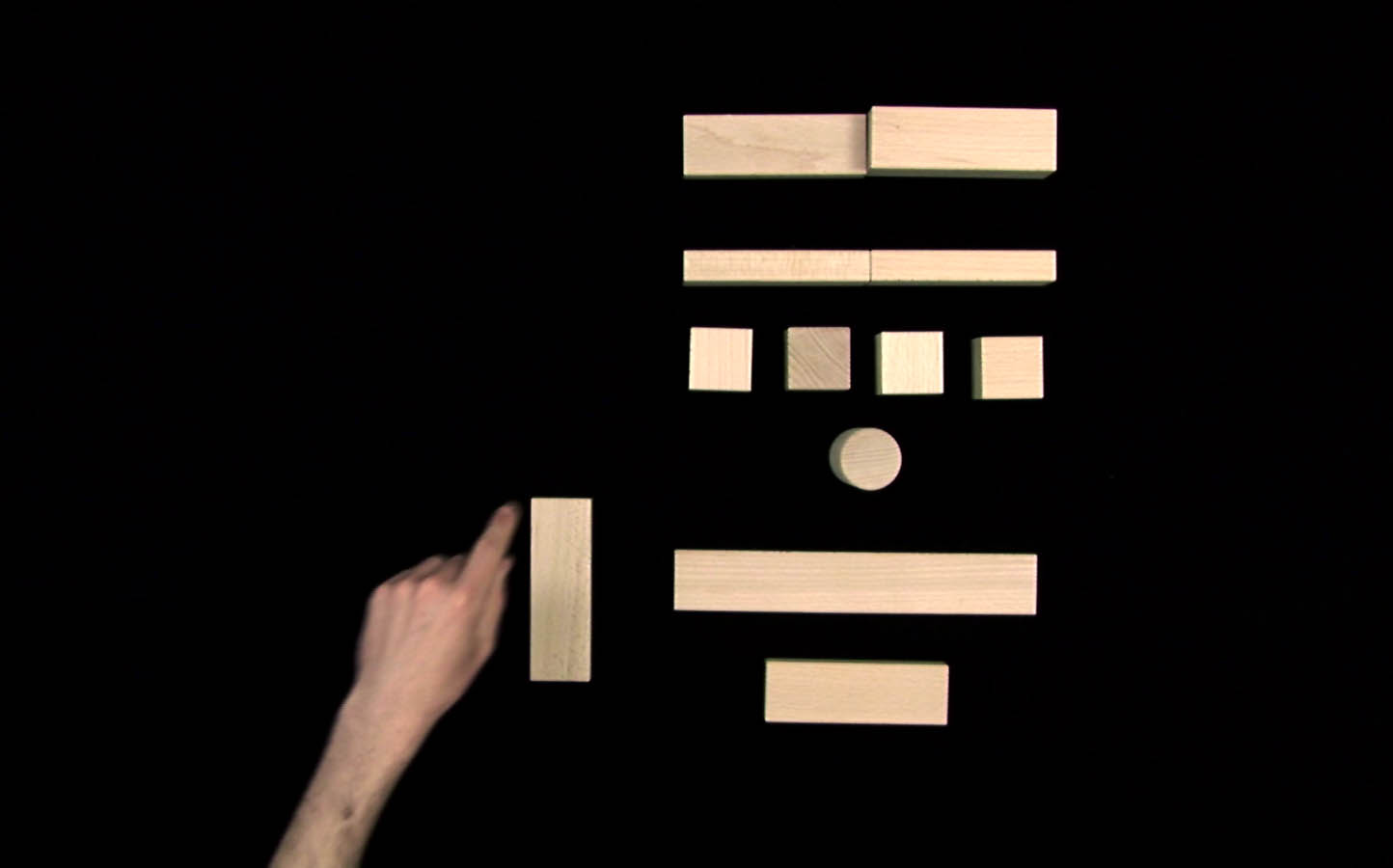
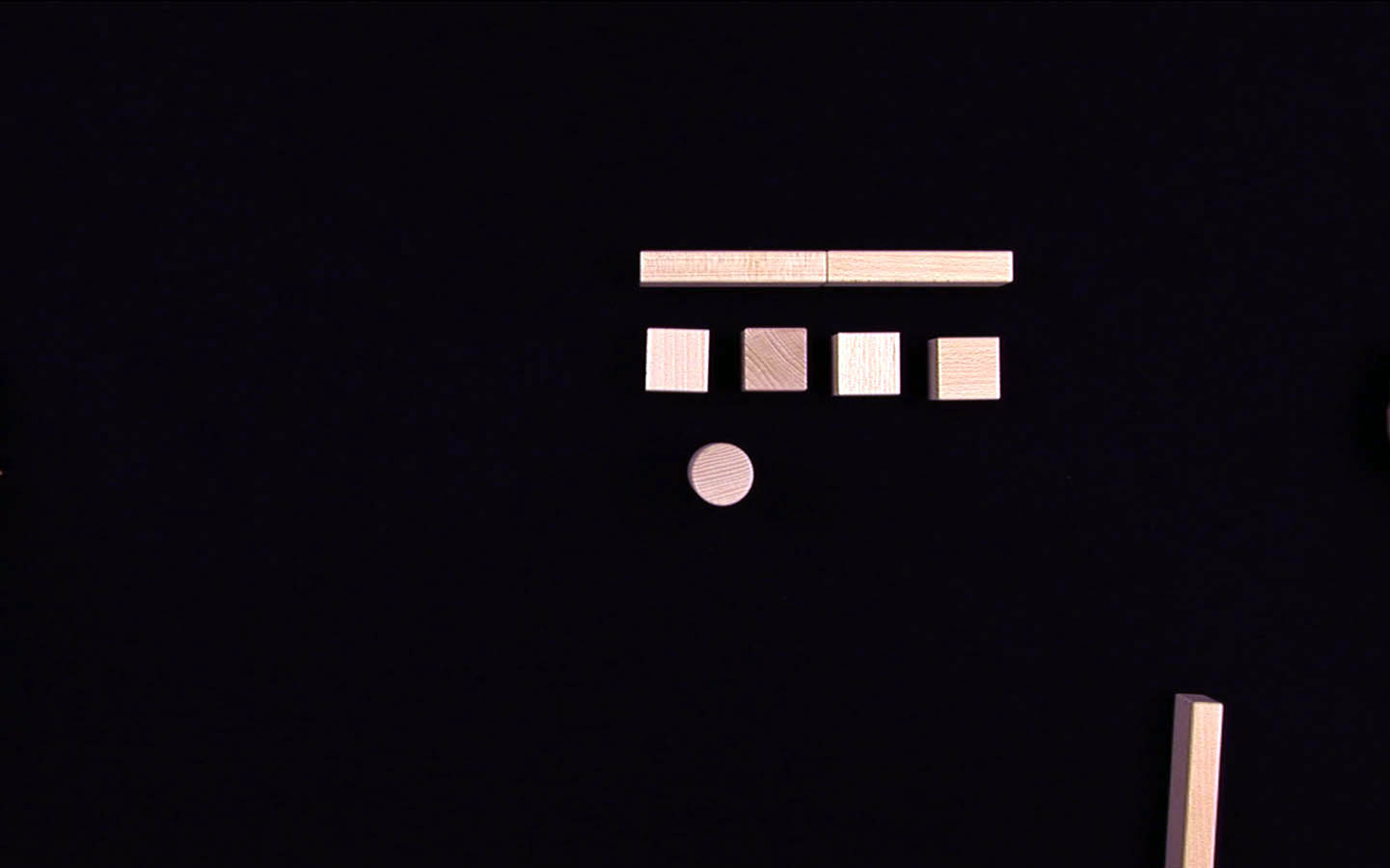

The Arnolfini institution in Bristol is an avant-garde institution on the periphery of London - the Art Capital. It has tried to be engaged in a more open and radical multi-media approach rather than a classical notion of visual arts. In the archives of the institution one finds documents that detail how the neoliberal politics of the Thatcher era in the 1980s created a cultural crisis for an experimental art space. The institution reacted to this new political situation by changing its profile, programme, spatial arrangements and the language used in communication. With an archaeological view, one finds traces of these cultural and economical processes in the seemingly stable structures of today; they are evident in the evaluation and mission papers that have been increasingly produced over the last thirty years, in which several drafts and proposals, evaluations and organisational restructures have been documented. In 2009, at this very moment, a new step for a next change is in the making.
Four members of the staff are invited to reflect on these structural changes, taking into account three selected change processes that relate to found materials of the institutions Archive, and are asked to visualize them. The process of negotiating and visualizing the changes has been recorded by a ceiling mounted camera pointing down on a table . The visualization of the three structural reforms were done with the simple tools of wood bricks - a system that stems from early 19th pedagogy, the so called Friedrich Fröbel bricks.
For several years, visualization, modelling techniques and strategy games have been used in the business world. With simple pedagogical tools, these techniques attempt to generate “a kind of hands-on, minds-on learning process”, to “transform insights and awareness into commitment and shared goals” and “enhance innovation and business performance”, says as an example the Lego branch Lego Serious Play. Business workshops in this playful sense are used when managers want to gather the “total individual and team brain power to work on complex business issues such as developing strategy plans, resolving conflicts, forming and developing teams and working with turnaround and restructuring.” Lego serious play: www.seriousplay.com/
Participation in this process requires the full engagement of every staff member, if wanted or not. Ideas that are generated from the top have to be handled and accepted from below.